
The Lifeblood of Oguta
Why Wetlands Matter and Why Action Can’t Wait
Wetlands are among Earth’s most productive ecosystems. In Oguta, they’re not just bodies of water. They are the backbone of life, livelihoods, and climate stability. Protecting them is no longer optional; it’s essential for the survival of both people and nature.
1. What Are Wetlands?
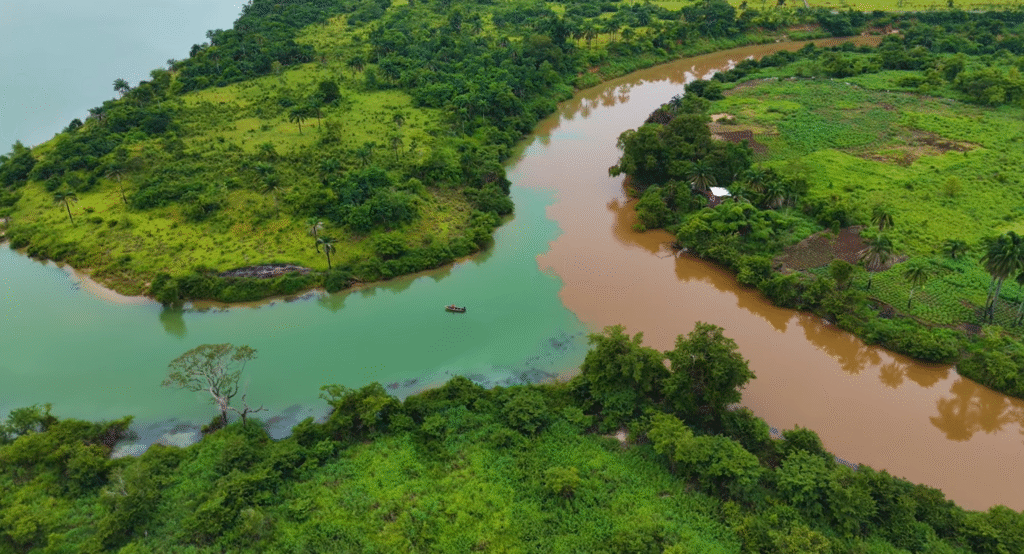
Wetlands are transition zones where water meets land—rivers, lakes, swamps, and floodplains. These landscapes store and filter water, recharge aquifers, and host countless species. The Oguta wetlands, stretching from the lake to the surrounding lowlands, form an interconnected system that supports farming, fishing, trade, and daily life.
2. Nature’s Engine of Life
Wetlands function as nature’s water treatment plants. They absorb pollutants, stabilize shorelines, and control floods. Their plants and soils filter waste and trap sediments, ensuring the water that reaches communities is cleaner and safer. When wetlands degrade, so does the quality of the water, the soil, and the life they sustain.
3. Economic and Community Value
The Oguta wetlands are not just ecosystems; they are economic lifelines. They support fisheries, agriculture, and river transport, while their scenic landscapes attract tourism. Local economies depend on the health of wetlands; when they decline, food security, jobs, and community resilience weaken.
4. Climate Protection at Work
Wetlands store immense amounts of carbon, acting as natural buffers against climate change. Their vegetation and soils absorb and retain carbon dioxide, regulating temperature and rainfall patterns. Protecting wetlands is a cost-effective defense against the intensifying impacts of climate disruption.
5. The Threats We Face
Industrial waste, oil pollution, and deforestation are eroding Oguta’s wetlands. Unchecked sand mining, poor waste disposal, and overfishing disrupt natural cycles. Every polluted stream and cleared mangrove pushes the ecosystem closer to collapse—threatening clean water, food supply, and public health.
6. The Road to Restoration
Restoration begins with data—testing water, soil, and biodiversity to guide action. It continues with community engagement, sustainable practices, and science-led restoration. Reviving these wetlands means restoring livelihoods, biodiversity, and climate resilience. Every effort counts, from awareness to on-the-ground action.
7. Your Role in the Solution
The future of Oguta’s wetlands depends on collective will. Whether through advocacy, funding, or community participation, each contribution strengthens the fight to restore and protect them. Become part of the change—because what we save today shapes the future of life, water, and health tomorrow.
Join the effort. Protect Oguta’s wetlands. Restore balance for generations to come.