
Flood Protection For Oguta And Neighbouring Communities
Preamble
The flood that occurred in 2012 overflowed the banks of the Oguta Lake and communities along its tributaries, an experience never observed in living memory. The ravages from the flood destroyed houses and properties forcing people to abandon their homes. The farmlands were submerged by the flood destroying yam, plantain, cassava, cocoa plantations and fishponds, thus severely disrupting the economic activities and lives of our farmers. Many structures including churches, schools, health centre, roads and markets were several meters under water, and access to the facilities of the oil companies operating in the area was severed. In recent times, the seasonal floods are becoming a harrowing threat to the community as they are increasingly attaining levels never experienced before.
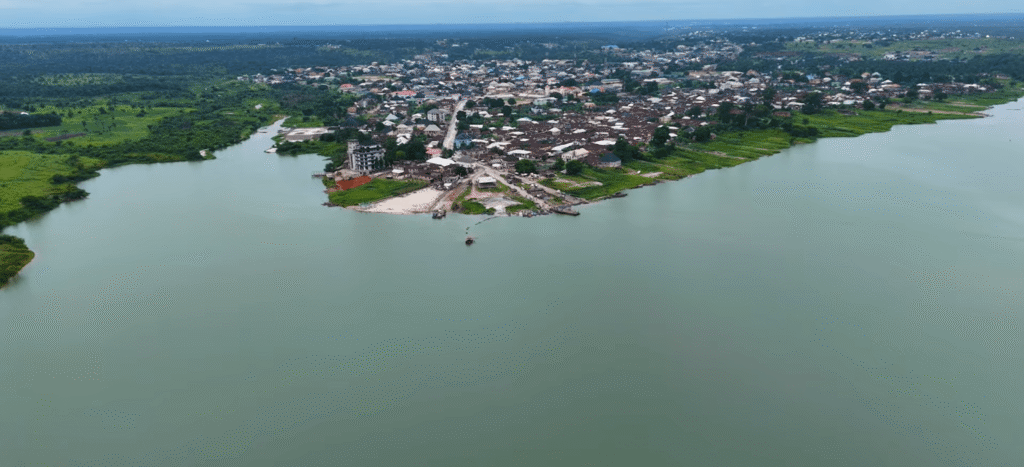
Physical Data on the Lake
The lake lies between latitude 50 42’ 24’’ N and longitude 6047’33’’ E. It is 8.05 km long (East to West) and 2.41 km wide. Currently it has a maximum depth of 8 meters (26’), a far cry from what used to be about 40 years ago.
Research data available shows strong indication that the lake is ‘dying’ at an alarming rate being smothered by eutrophication and silt. For example, the area currently covered by water body is about 68 percent with the rest made up of degraded matter. The tributaries (Obana, Njaba and Urashi Rivers) which are the natural feeds to the lake are also heavily silted and drying up.
The Lake’s woes are attributable to uncontrolled mining of laterite, white sand and gravel and the resulting massive erosions along the banks of Njaba River. The uncontrolled run-offs from these mining activities into the river during the rains contribute substantially to the silting.
Consequences of Siltation and Eutrophication of the Lake
Silting and eutrophication of the Lake and its tributaries have the natural effect of making these bodies of water shallower thereby reducing their water-holding capacities. They are no longer able to hold larger volumes of flood water because of reduced depth and area. The consequence is that floods that were considered normal several decades ago now appear outrageously unusual and threatening the very existence of Oguta and neighbouring communities.
Proposed Solutions to the Problem
- Dredging of the Lake.
Dredging is necessary to increase water- holding capacity of the lake which will reduce dangers of overflowing of the banks during the flood seasons. It is important to note that a contract worth N2 billion, was reportedly awarded by the National Inland Waterways Authority (NIWA) in May 2012 to Simidia S & I International Company for the dredging of the Urashi River from Oguta to Degema.The waterway was expected to be dredged with a bed width of 40 meters, top width of 70 meters and depth below dredging chart datum of 1.5 meters. The project was expected to be completed in 12 months but was abandoned for reasons yet to be determined. The State Government should liaise with the Federal Government to revive the contract. - Construction of an Embankment
The dredging of the Lake should be complemented by the construction of an embankment to protect the communities from future floods. The embankment, properly designed, will also serve to prevent uncontrolled discharges of aggregates and other silting agents in run-offs from erosive activities of heavy rainfall in the local community. - Prohibiting Excavation of Laterite along the Banks of Njaba River
There is massive excavation of laterite, sand and gravel along the banks of Njaba River which has been going on for several years. This activity is causing serious environmental damage including erosions and landslides. The dislodged aggregate materials are carried downstream by the fast-flowing river into the lake where they sediment. The cumulative effect of this phenomenon provides an explanation for the rapid siltation of the lake in recent times.
Conclusion
From the foregoing report, it is considered expedient that Imo State government should commission a team of engineers and environmentalists to study the problem and advice it on strategies for tackling the project. The flood season is a few months away and expeditious action is needed.
Prof Ike Azogu, KSP
MD/CEO, Maybinson Inc (Chemical Safety and Environmental Consultants)
May 12, 2019